
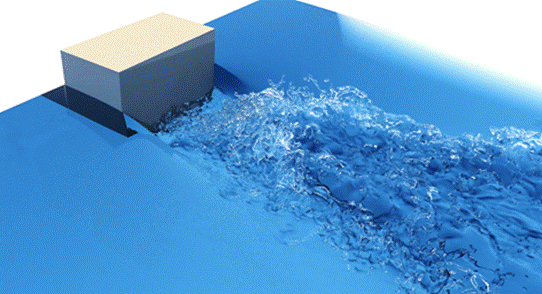
Ship water-air-bubble mixture flows represent a complex hydrodynamic phenomenon driven by the intense interaction between marine engineering structures and the surrounding fluid. This phenomenon involves the vigorous penetration and mixing of water and air phases, the entrainment and suction of multiscale bubbles, and the splashing of liquid droplets, all characterized by extensive spatiotemporal scales and influenced by a multitude of factors. It is particularly pronounced in the vicinity of full-scale structures, significantly impacting ship performance, including resistance, propulsion, maneuverability, noise generation, and the hydrodynamic behavior of offshore platforms. This presentation is divided into two main sections: mechanism exploration and numerical simulation techniques. In the mechanism exploration section, we provide a detailed account of the current scientific understanding of the mechanisms governing the generation and evolution of water-air-bubble mixture flow. This includes an analysis of the interactions among water, air, bubbles, and mist, as well as factors contributing to the formation of water-air-bubble mixture around marine structures. In the numerical simulation techniques section, we trace the evolution of algorithms from interface-based models (such as VOF, Level-set, LBM, MPS) to non-interface models (Euler-Lagrange, Euler-Euler), and discuss key technical challenges. We highlight the recent achievements of the CMHL research team in the field of ship water-air-bubble mixture flow, encompassing enhancements in numerical methods, improvements in computational efficiency, and practical engineering case studies. Finally, the future research directions for ship water-air-bubble flows are presented, which include improving multiphase flow models, implementing high-performance computing techniques, and adopting research methods that combine experiments and simulations. These directions will facilitate a deeper understanding and simulation of water-air-bubble mixture flow’s impact on ship performance, offering crucial support and innovation for the optimization and safety of marine engineering applications.
Catégorie d'événements : Fluides, Thermique et Combustion
Chemical and hydrodynamic structure of cellular gaseous detonation
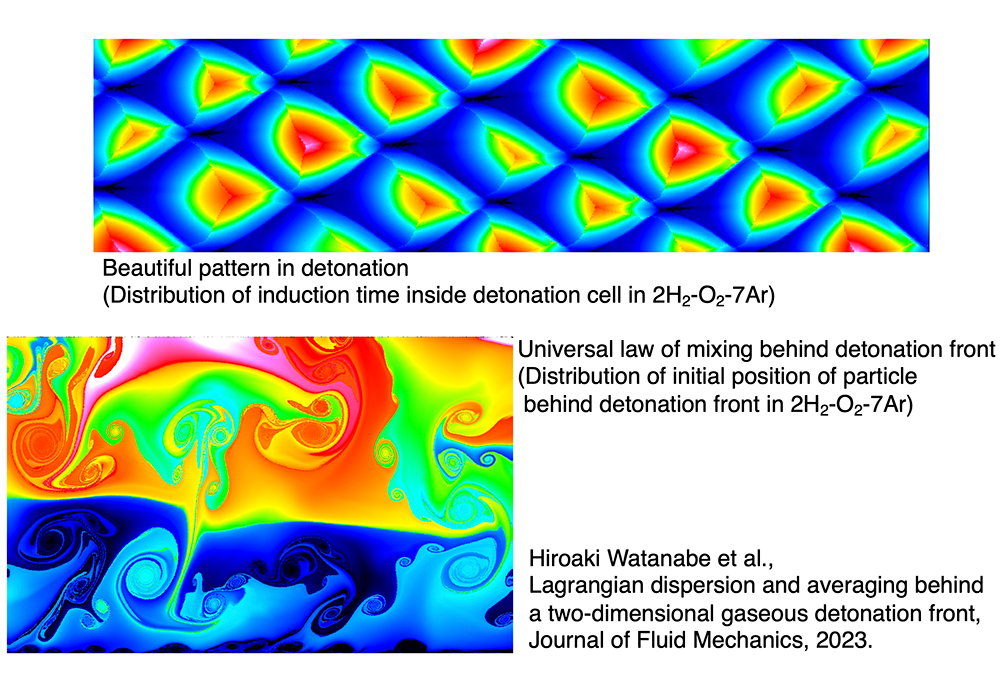
Detonation is a supersonic premixed combustion wave, which consists of a leading shock wave coupled with a reaction zone. The classical model of detonation is consisted of steady one-dimensional structure. However, in the reality, detonation wave exhibits an unsteady and complex multi-dimensional cellular structure. The coupling of the chemical reactions and the hydrodynamic instability is vital for the propagation of cellular detonation. In order to deepen our knowledge for cellular detonation, we explore chemical and hydrodynamic structure of cellular gaseous detonation in a straight channel by the two-dimensional simulation with particle tracking method. The introduction of massless particles in the flow field enabled us to analyze their trajectory and the time history of the chemical species and thermodynamic properties in detail.
This talk consists of the two parts. In the first part of this talk, we focus on the Lagrangian dispersion behind the detonation front. The distance traveled by massless Lagrangian particle behind the front and the time from shock passage were recorded in the course of the simulations. The degree of the dispersion and the relative dispersion were evaluated. The dispersion of the particles was promoted by the fluctuation of the leading shock and its curvature, the presence of the reaction front, and to a lesser extent transverse waves, jets and vortex motion. After a transient where the fading transverse waves and the vortical motions coming from jets and slip lines were present, the relative dispersion relaxed towards a Richardson-Obukhov regime, especially for the unstable case.
In the second part of this talk, we analyze the distribution of the chemical and hydrodynamic time scales inside the cellular structure. The thermicity, which denotes the effect of the chemical reaction on the flow velocity and is related with the chemical reaction rate, was recorded for each particle during the simulations. This procedure enables to record the induction time and reaction time inside the cell from Lagrangian point of view for the first time. Due to the decaying leading shock front and the transverse wave structure, the chemical and hydrodynamic times were non-uniform. The induction time became maximum around the center of the cell in the second part for the weakly unstable mixture. The reaction time also became shorter in the second part of the cell due to higher initial pressure by the transverse wave. The induction process completed within the half of the cell cycle and the transverse waves played a key role in enhancing the chemical reaction even in the weakly unstable cellular detonation.
Plasma Fluid Simulation on Electrohydrodynamic Effect of,Surface Dielectric Barrier Discharge Aiming for Flow Control Applications
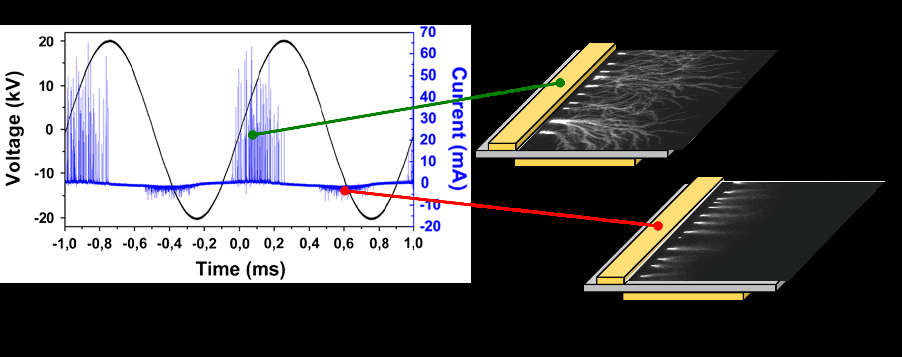
The electrohydrodynamic phenomena caused by atmospheric has been studied for many years aiming for active flow control applications. Especially, Surface dielectric barrier discharge (DBD) type plasma actuator gets much attention because it has simple and thin structure, and therefore easy to be installed on any aerodynamic surfaces. Although it is attractive flow control actuator, for practical applications, it is required to optimize its configuration and driving parameters for maximizing the performance, and furthermore, to find applications in which high flow control gain can be obtained even by weak electrohydrodynamic force of plasma actuators. For this purpose, it is important to well understand the physics involved in the EHD force generation, and plasma numerical simulation is powerful tool for analysis. In this presentation, numerical simulation technique is introduced focusing on the EHD force generation. Three topics are included in the presentation. The first topic is the effects of plasma chemical reaction model on the EHD force generation. The second topic is the validation of three-fluid plasma numerical modeling, and the final topic is the three-dimensional simulation of surface dielectric barrier discharge.
Progress and Challenges for Linearized Reactive Field Methods for Turbulent Combustion Dynamics
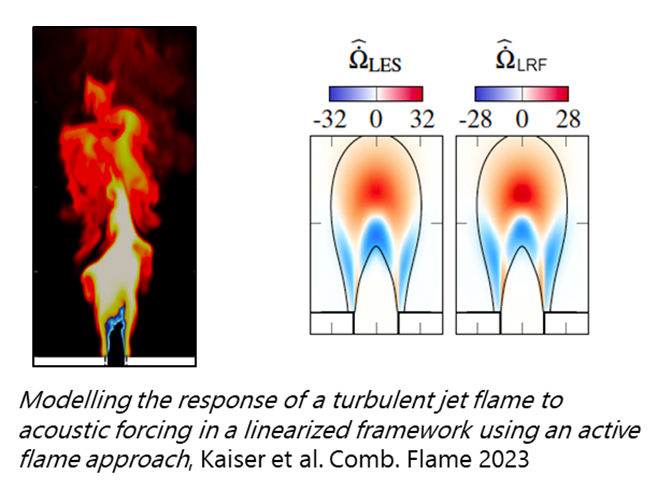
In this talk, we explore Linearized Reactive Field (LRF) methods and their developing role in comprehending the dynamics of turbulent combustion. We will begin with a brief overview of linearized mean field methods, highlighting their significance in revealing the importance of coherent structures in turbulent flows. We will explore key theoretical concepts integral to our approach, such as triple decomposition, linear stability, and resolvent analysis. To begin, we will examine nonreacting flows, using amplifier and oscillator flows as examples. From there, we will move on to reacting flows, where we will introduce fundamental equations and address the multi-closure problem, a major hurdle in the modelling of combustion dynamics. Emphasis will be placed on the innovative approach of data assimilation as a means of effectively addressing this closure problem. We detail the suite of tools developed for studying LRF methods to facilitate their implementation and comprehension. These tools incorporate various techniques, such as combustion experiments, Large Eddy Simulations, Physics-Informed Neural Networks, and the Finite Element Linearized Reacting Field Solver (FELICS). The presentation will illustrate multiple examples of LRF techniques in the field of combustion dynamics, which tackle the propagation of entropy and swirl fluctuations, as well as turbulent flow-flame interactions. To summarise, a future outlook will be provided on LRF application, with a particular focus on the transition to hydrogen combustion.
Dispersive non-linear water waves in arbitrary cross-sectional channels
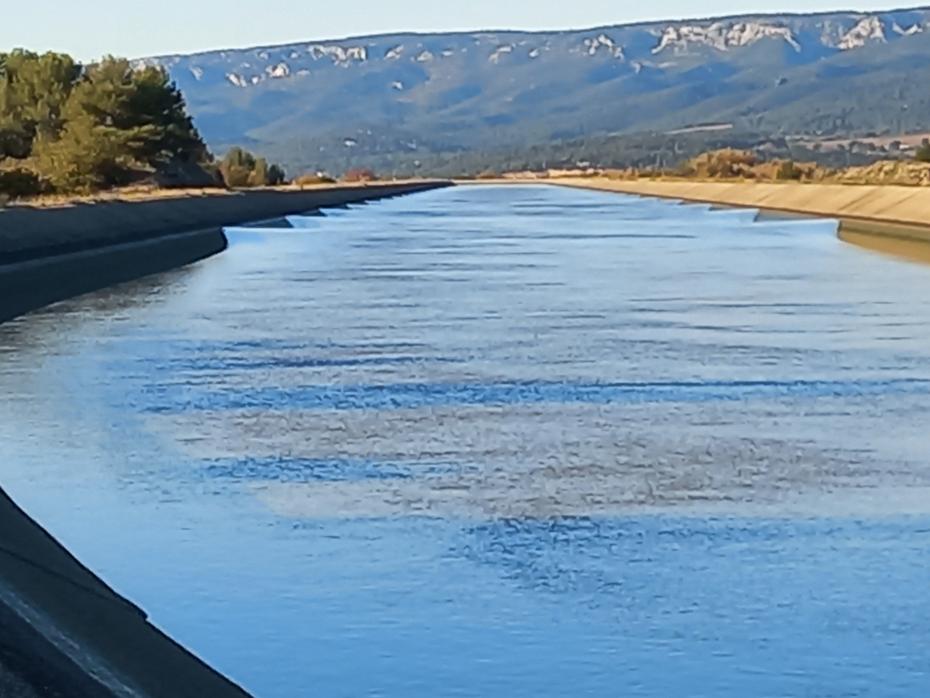
Weakly dispersive, fully nonlinear waves in channels of arbitrary cross-section are considered from a variational viewpoint. A set of general equations is derived, that resemble the Serre-Green-Naghdi equation. Traveling wave solutions in prismatic channels are derived in the form of pseudo-elliptic integrals. The case of solitary waves in trapezoidal channels is addressed more deeply, with comparison to experiments as regards the celerity of the leading wave in an undular bore.
Leveraging physics-based models and data to capture complex combustion multi-physics for clean, decarbonized energy systems
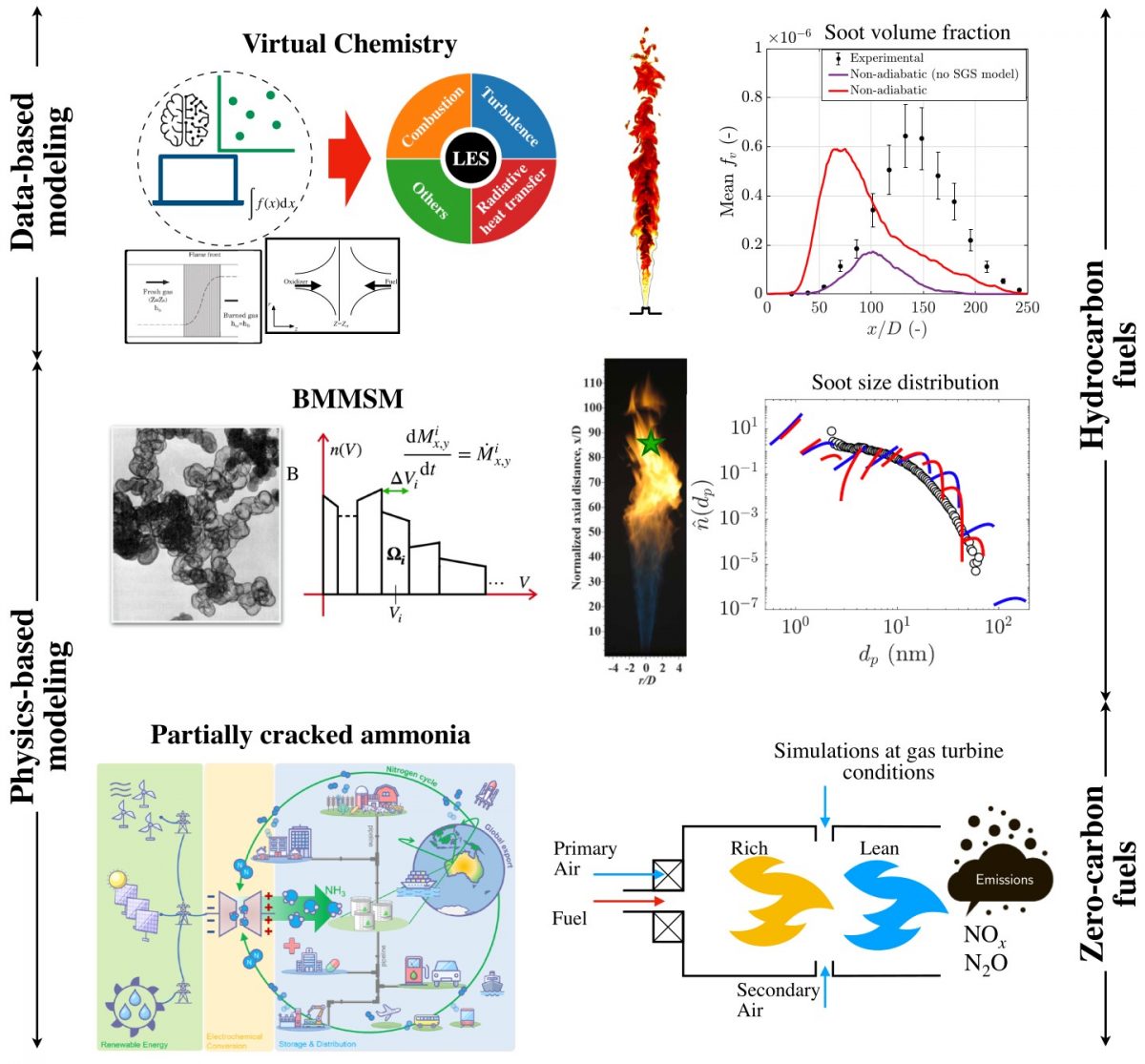
The need to regulate greenhouse gas emissions has driven the search for clean and efficient energy solutions, requiring the integration of alternative fuels for a sustainable future. Alternative fuels (hydrogen, ammonia, biofuels, Sustainable Aviation Fuels, SAF) present different attributes with respect to traditional hydrocarbon fuels, such as burning rate and pollutant emissions, leading to new challenges. Undertaking these tasks involves the need for numerical combustion modeling and, due to the complexity of such systems, sophisticated strategies for efficient simulations. In this context, soot formation has been considered a major challenge due to its complex nature, and that would still be present in future energy systems (e.g., biofuels or SAF). As a first part of the presentation, I will introduce two different approaches of soot modeling. The first one is the so-called virtual chemistry approach, developed at EM2C. This method involves the creation of a global mechanism comprising virtual species and reactions. Machine learning algorithms optimize the thermodynamic properties and kinetic rate parameters of these virtual components. This methodology primarily focuses on capturing essential sooting flame properties such as temperature, laminar flame speed, radiation, and soot volume fraction. It has been adapted for the simulation of turbulent sooting flames using Large Eddy Simulation (LES), which I will exhibit with further details. The second approach, developed more recently at Princeton, is called Bivariate Multi-Moment Sectional Method (BMMSM). BMMSM is designed for computationally efficient tracking of soot size distribution in turbulent reacting flows. It combines the sectional method with the method of moments to characterize the size distribution. Notably, BMMSM employs fewer soot sections compared to traditional sectional models while considering three volume-surface moments per section to account for soot’s fractal aggregate morphology. Then, I will present LES results of the evolution of the soot size distribution in a turbulent nonpremixed flame. In the second part of this presentation, I will present insights into the emissions from the combustion of other candidate fuels, including recent work on the use of ammonia, determining if they exhibit sufficiently low levels compared to current fuels, while minimizing societal and environmental impacts. Then, I will present simulation results of partially cracked ammonia combustion, which are representative of the design of future gas turbines for power production, to identify the mechanisms behind the production of other carbonless greenhouse gases, such as N2O, and pollutants, such as NOx, and how they might compare with the emission trends associated with traditional hydrocarbon fuels. Finally, a few points highlighting that the needs and challenges in combustion science are evolving will be discussed.
La diffusion Rayleigh pour le diagnostic optique des écoulements, principes et applications pour l’aéroacoustique et la turbulence thermique
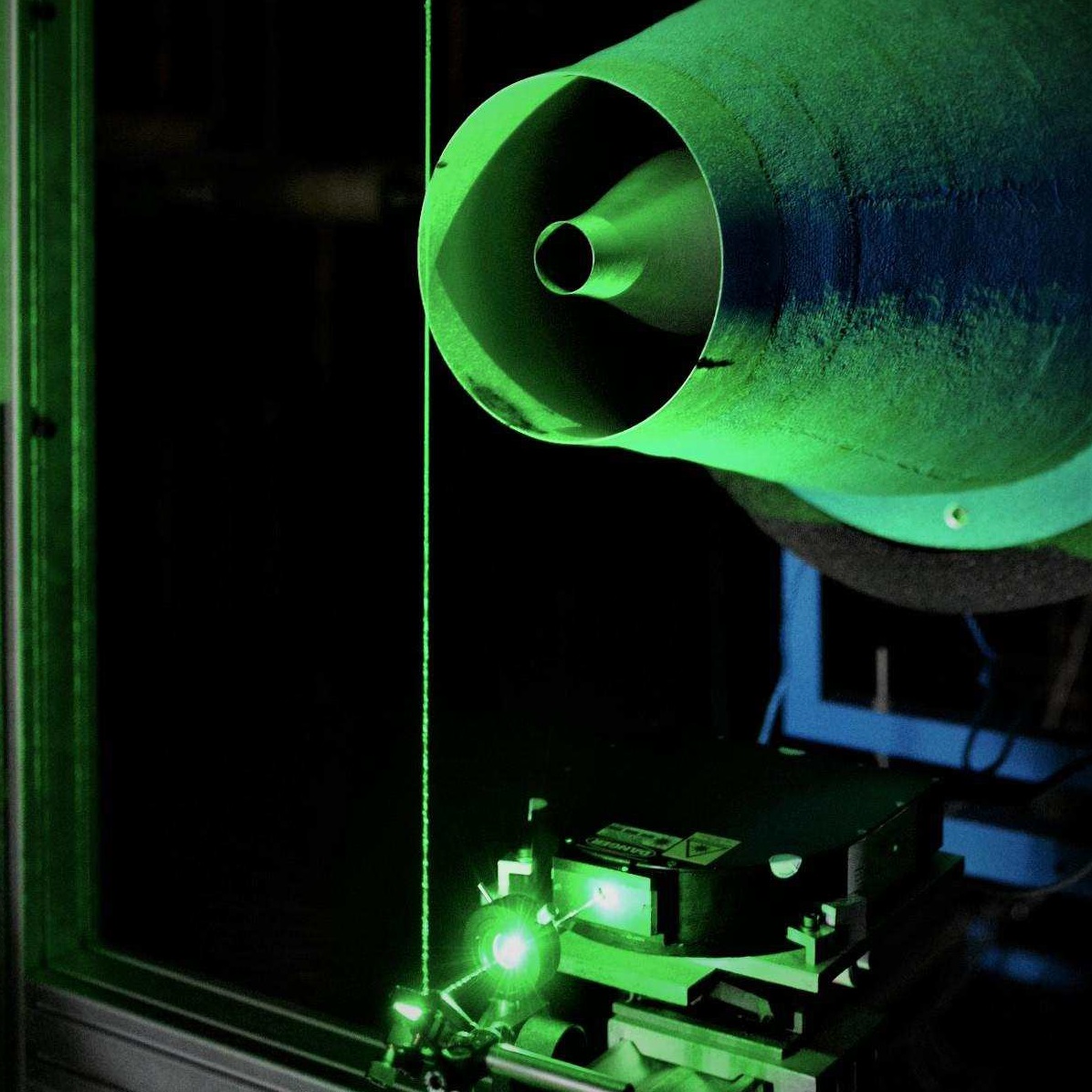
La diffusion Rayleigh est le mode de la diffusion d’une onde électromagnétique par des particules petites devant la longueur d’onde considérée. Dans le contexte du diagnostic optique des écoulements, l’onde est généralement issue d’une source laser dans le visible, et les particules sont les molécules constituantes du gaz. Il n’y a donc aucun traceur non intrinsèquement déjà présent dans l’écoulement, ce qui en fait une méthode particulièrement adaptée aux écoulements rapides. Un panel de techniques découle de l’étude de la lumière diffusée par les molécules. Nous nous intéresserons en particulier à l’intensité de celle-ci qui permet de mesurer la masse volumique locale d’un écoulement, avec deux applications.
– l’étude des corrélations entre les fluctuations hydrodynamiques dans un jet à Mach 0.9 et le rayonnement acoustique vers l’aval.
– la mesure des fluctuations de température des fréquences de plusieurs kilohertz dans le sillage d’un barreau chauffé (Mach ~0.01).
Nous évoquerons aussi les méthodes basées sur l’analyse spectrale du rayonnement, qui permettent en principe d’obtenir la température et la vitesse locale en plus de la masse volumique.
Bayesian Inference for Construction of Inverse Models from Data
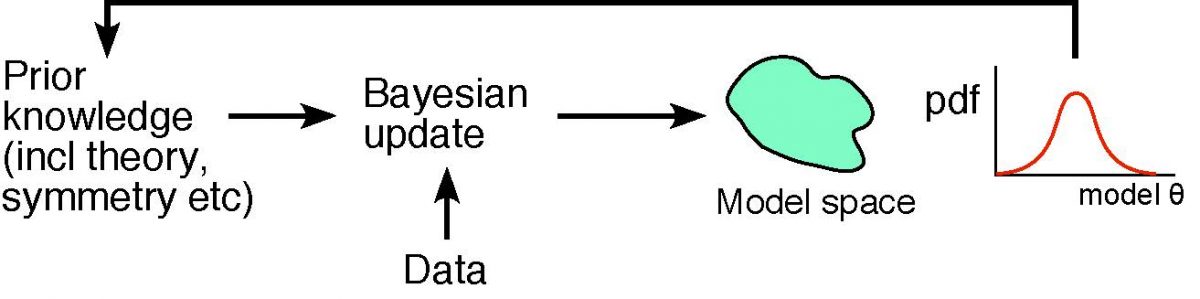
This talk considers the inverse problem y=f(x), where x and y are observable parameters, in which we wish to recover the model f. Examples include dynamical systems and combat models with y=dx/dt and x=parameter(s), water catchments with y=streamflow and x=rainfall, and groundwater vulnerability with y=pollutant concentration(s) and x=hydrological parameter(s). Historically, these have been solved by many methods, including regression or sparse regularization for dynamical system models, and various empirical correlation methods for rainfall-runoff and groundwater vulnerability models. These can instead be analyzed within a Bayesian framework, using the maximum a posteriori (MAP) method to estimate the model parameters, and the Bayesian posterior distribution to estimate the parameter variances (uncertainty quantification). For systems with unknown covariance parameters, the joint maximum a-posteriori (JMAP) and variational Bayesian approximation (VBA) methods can be used for their estimation. These methods are demonstrated by the analysis of a number of dynamical and hydrological systems.
ON THE USE OF SUPERSONIC JET-CURTAINS FOR CONTROL OF MOMENTS ON TAILLESS AIRCRAFT
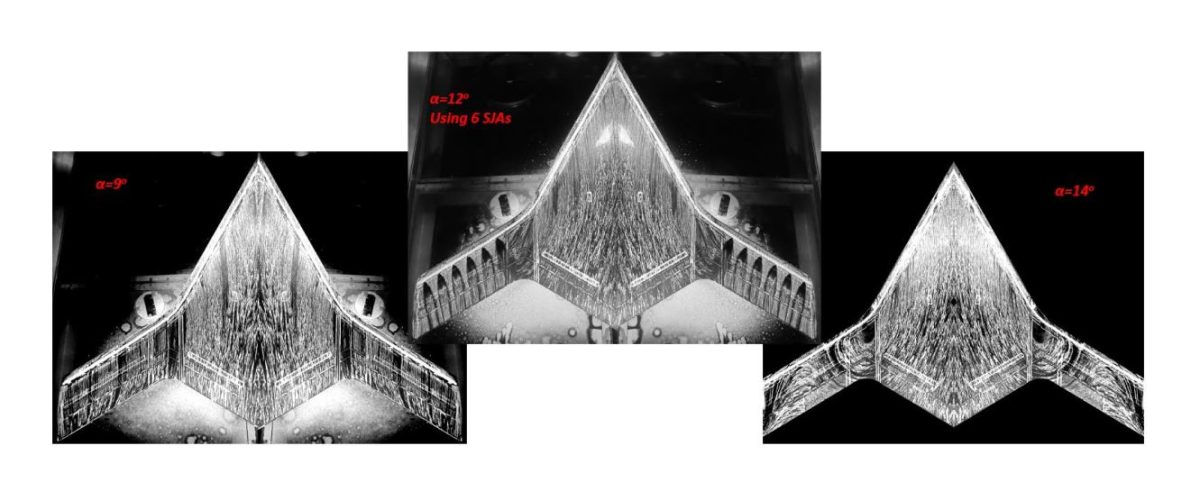
The purpose of this study is to explore the replacement of conventional moving control surfaces on a typical tailless aircraft model at high subsonic cruise speeds. Since the efficacy of sweeping jet actuators was only demonstrated at low speeds, the current test considered their potential replacement by Supersonic Steady Jets (SSJs). It was shown that even a single jet properly located and oriented may outperform an array of actuators whose location and orientation did not take into consideration the changing local flow conditions. The test article chosen was the SWIFT model that represents a typical blended wing-body configuration of a tailless aircraft. It was selected because it was tested extensively using Sweeping Jet Actuators (SJAs). When a single supersonic jet designed for Mn=1.5 was used to control thepitch it was able to increase the trimmed lift by approximately a factor of 3. The power it consumed was not necessarily smaller than an array of 6 SJAs but it provided other advantages that are discussed in the paper. Large yawing moments could be provided by other SSJs that were not encumbered by large rolling moments. These tests proved that the momentum input is but one of many parameters controlling the flow. It was replaced by power coefficients that are unambiguously measured and are capable of comparing various modes of actuation.
Scattering of topological edge waves in Kekule structures
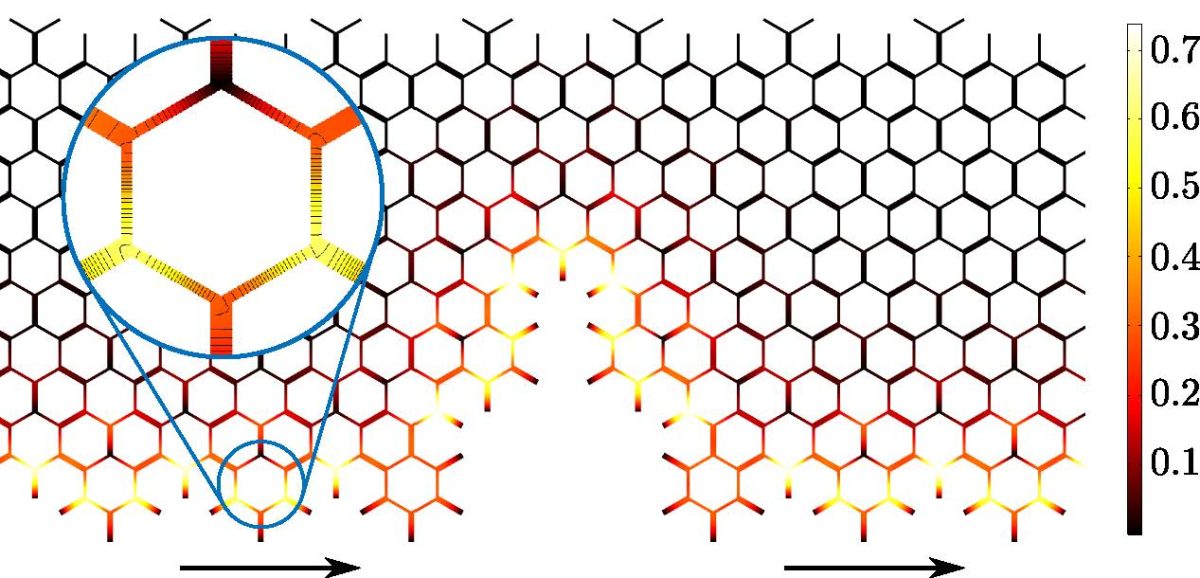
Kekule structures are graphene-like lattices, with a modulation of the intersite coupling that preserves the hexagonal symmetry of the system. These structures possess very peculiar properties. In particular, they display topological phases manifested by the presence of edge waves propagating on the edge of a sample. We will discuss the extraordinary scattering properties of these edge waves across defects or disorder. We will also discuss how to realize Kekule structures in acoustic networks of waveguides